I am studying photography in a one-year course at Kamerakoulu.fi. Our latest task was to create a mini-project featuring at least ten photographs and the topic was completely open. The time to finish the task was only three weeks, which meant quite a lot of work.
Choosing my topic didn’t take long. Flowing water, the various forms of ice, and cultural landscapes are themes close to my heart. I decided to focus on the Kärkelä River and its surroundings, located in the historic Kärkelä ironwork area.
Kärkelä River and its surroundings
The Kärkelä copper smelter was established in 1776, with copper production continuing until the 1880. After that, the area transitioned into use as a farm. The ironwork’s area still boasts about twenty well-preserved red ocher-painted workers’ houses. The current owners rent houses out as summer homes. The Kärkelä ironwork is a part of the industrial and ironwork history of eastern Southwest Finland and western Uusimaa.
Photo trips to Kärkelä
January 2025 has been mostly overcast. On weekends, when the sun peeked through the clouds, I took the opportunity to photograph in Kärkelä.
On cloudy days the river is pretty dark as there are tall trees growing by the river. When photographing with tripod the darkness does not matter, but especially photographing birds, you need light. I also wanted to have beautiful golden tone in some of my photographs. Because of this, I had to return to the river four times.
By the Kärkelä River – Photo gallery
The final choice for my mini-project includes 14 photographs. In my opinion, they beautifully capture the essence of the Kärkelä River and the surrounding nature.
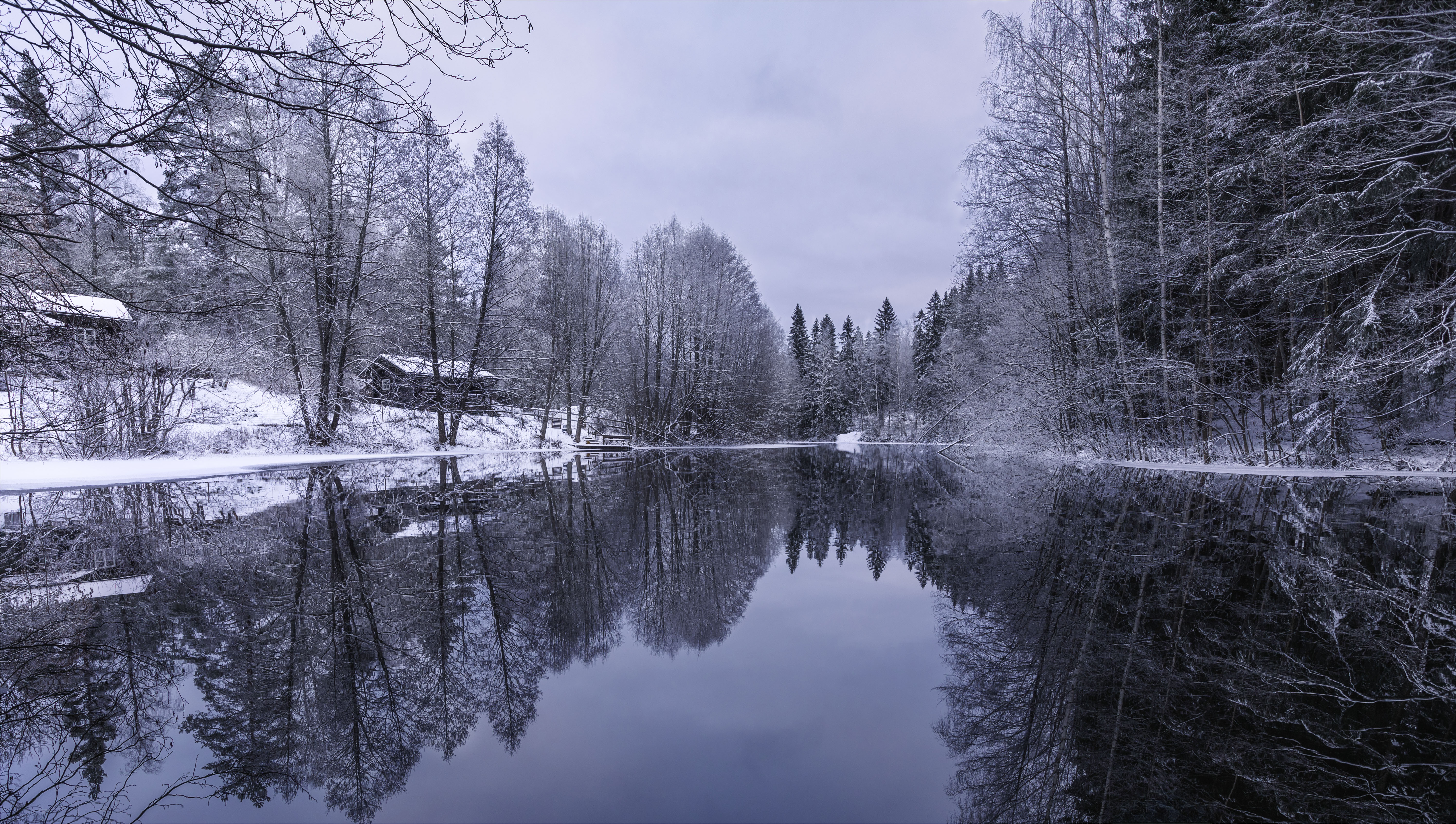
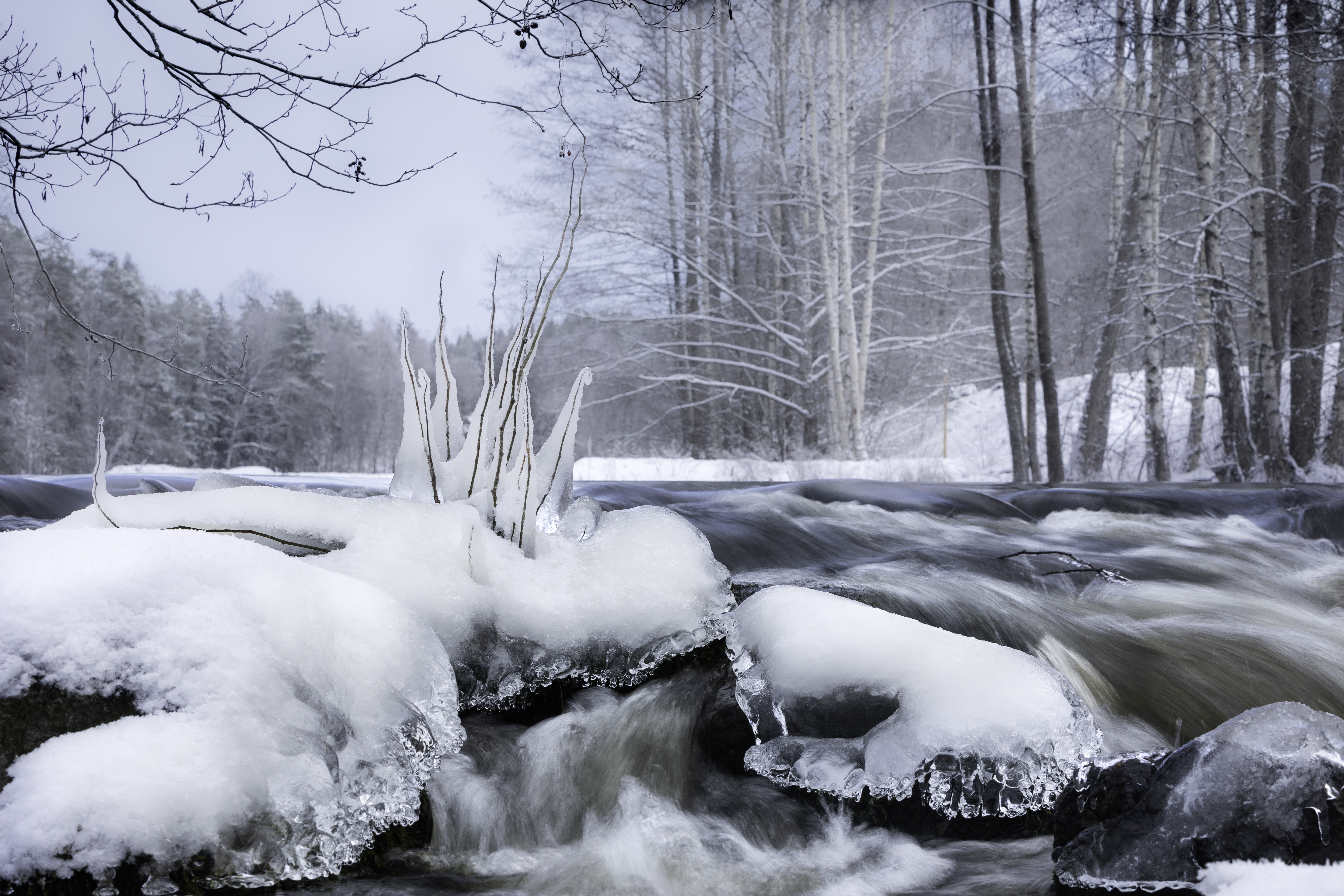
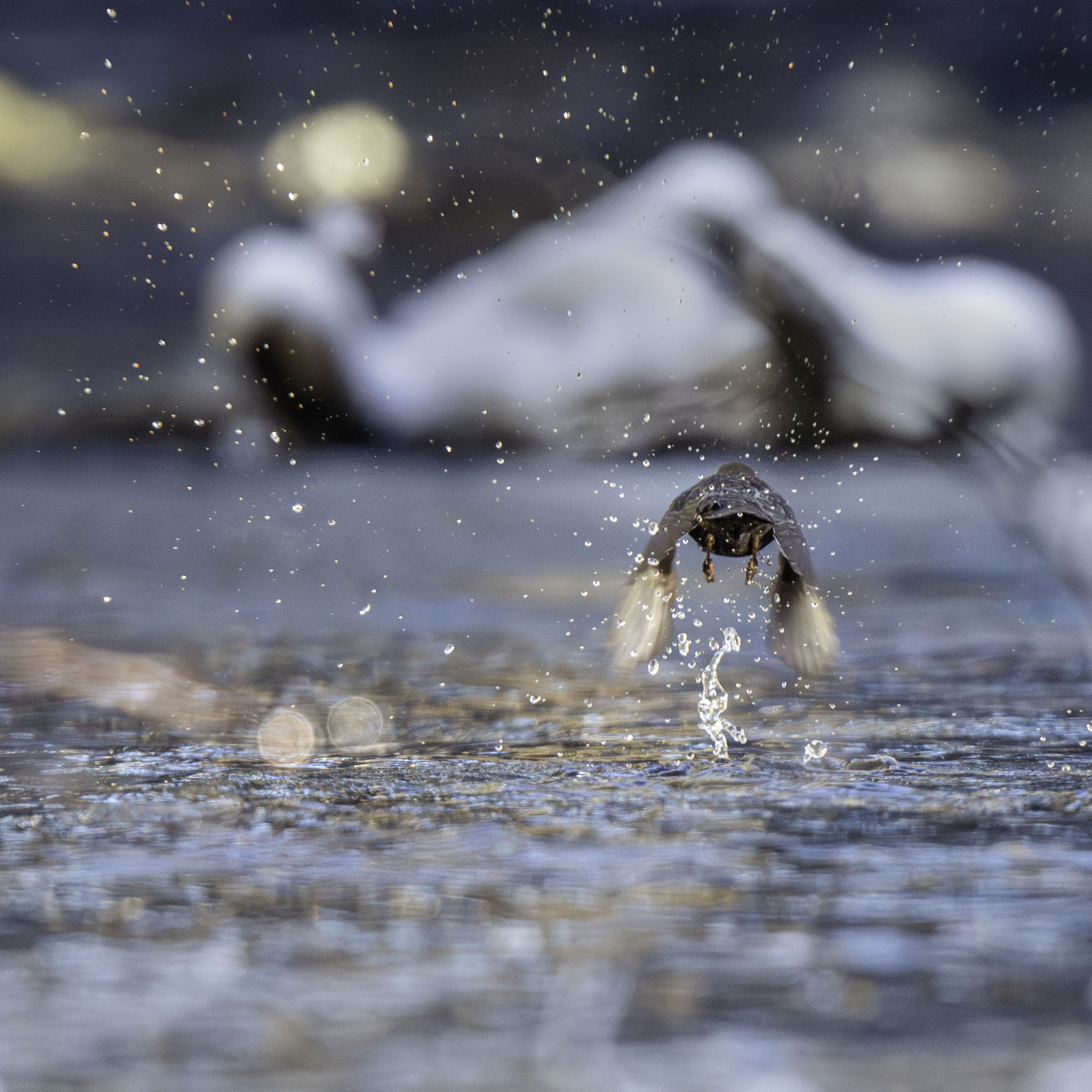
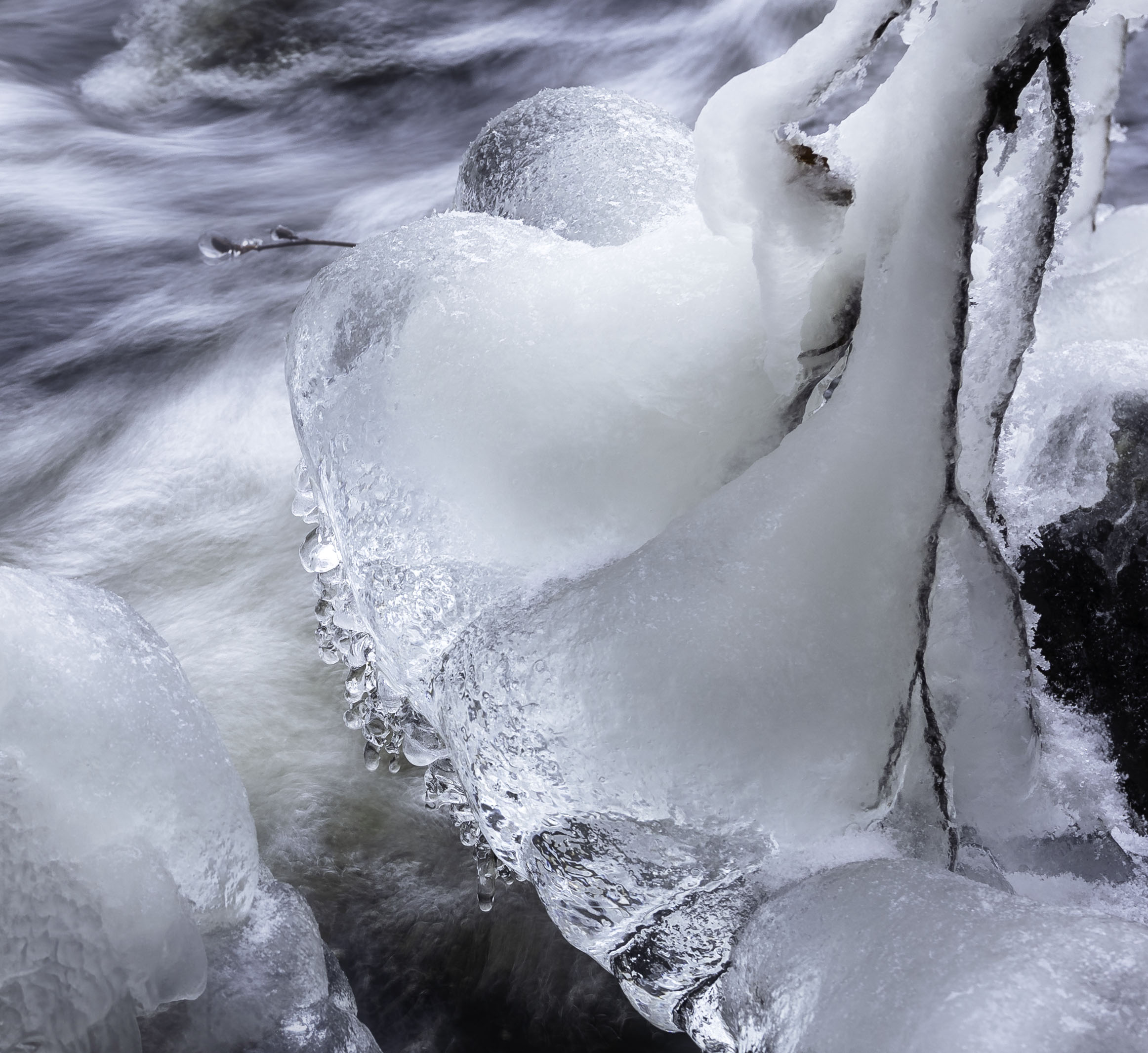
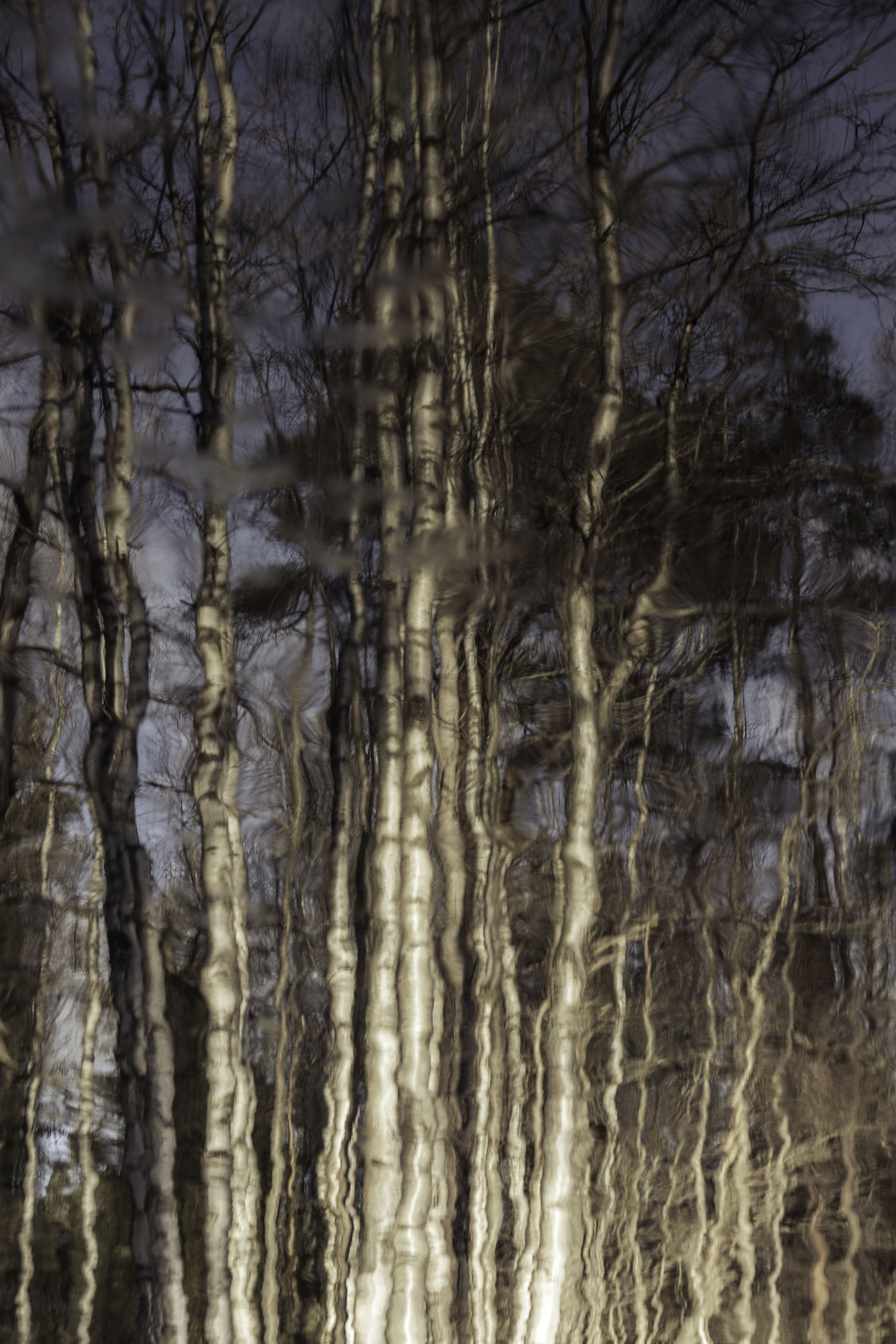
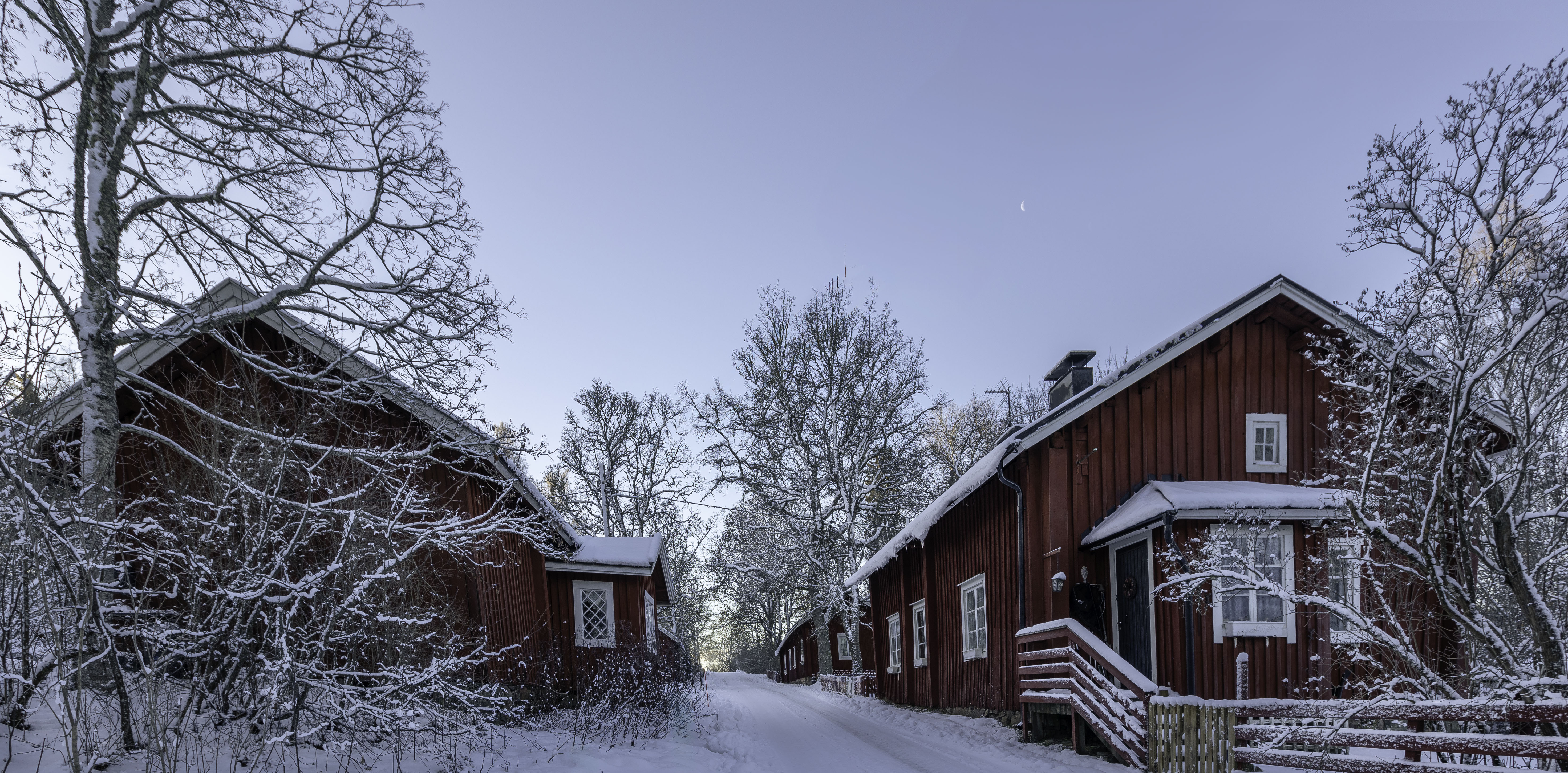
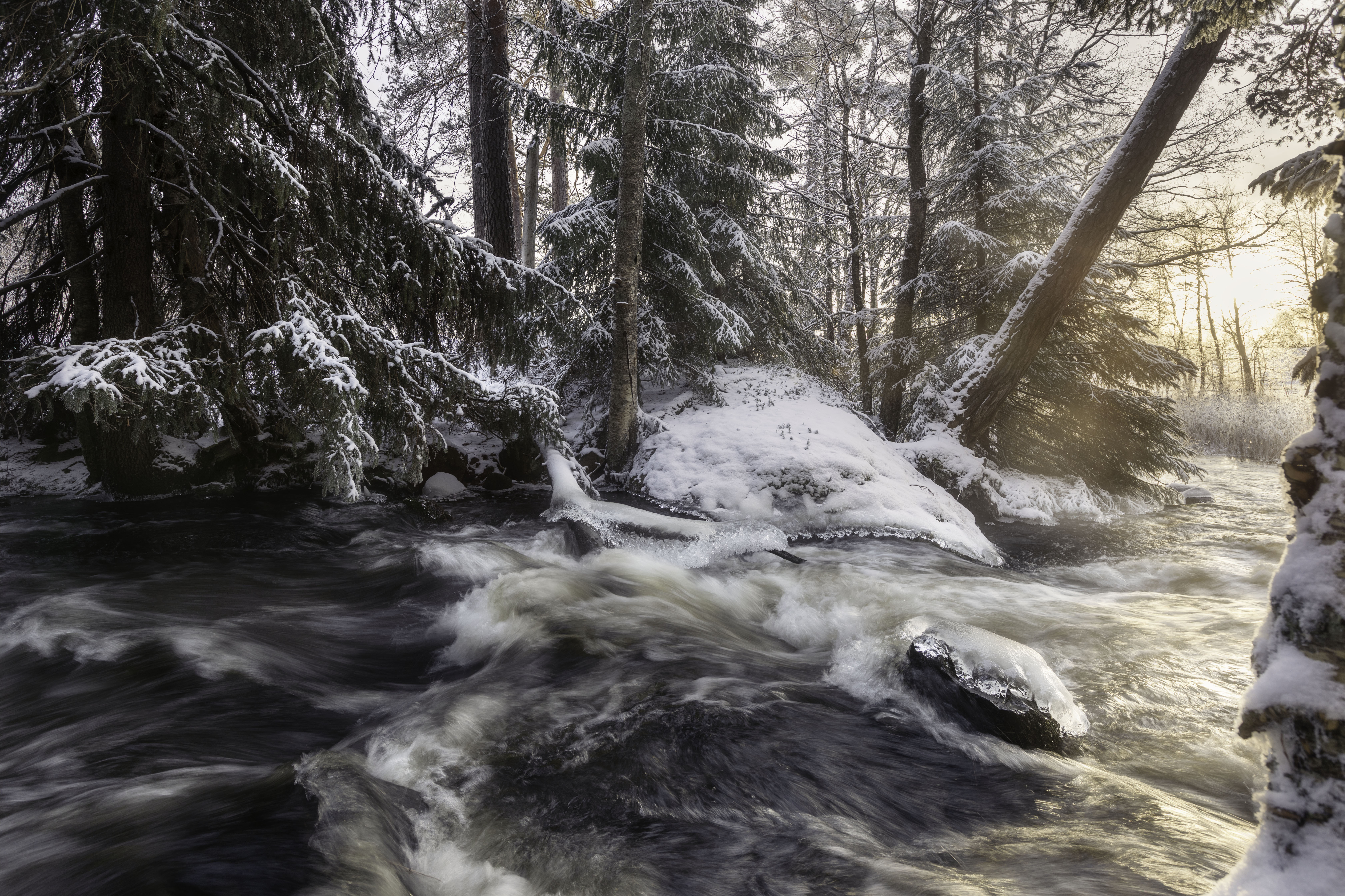

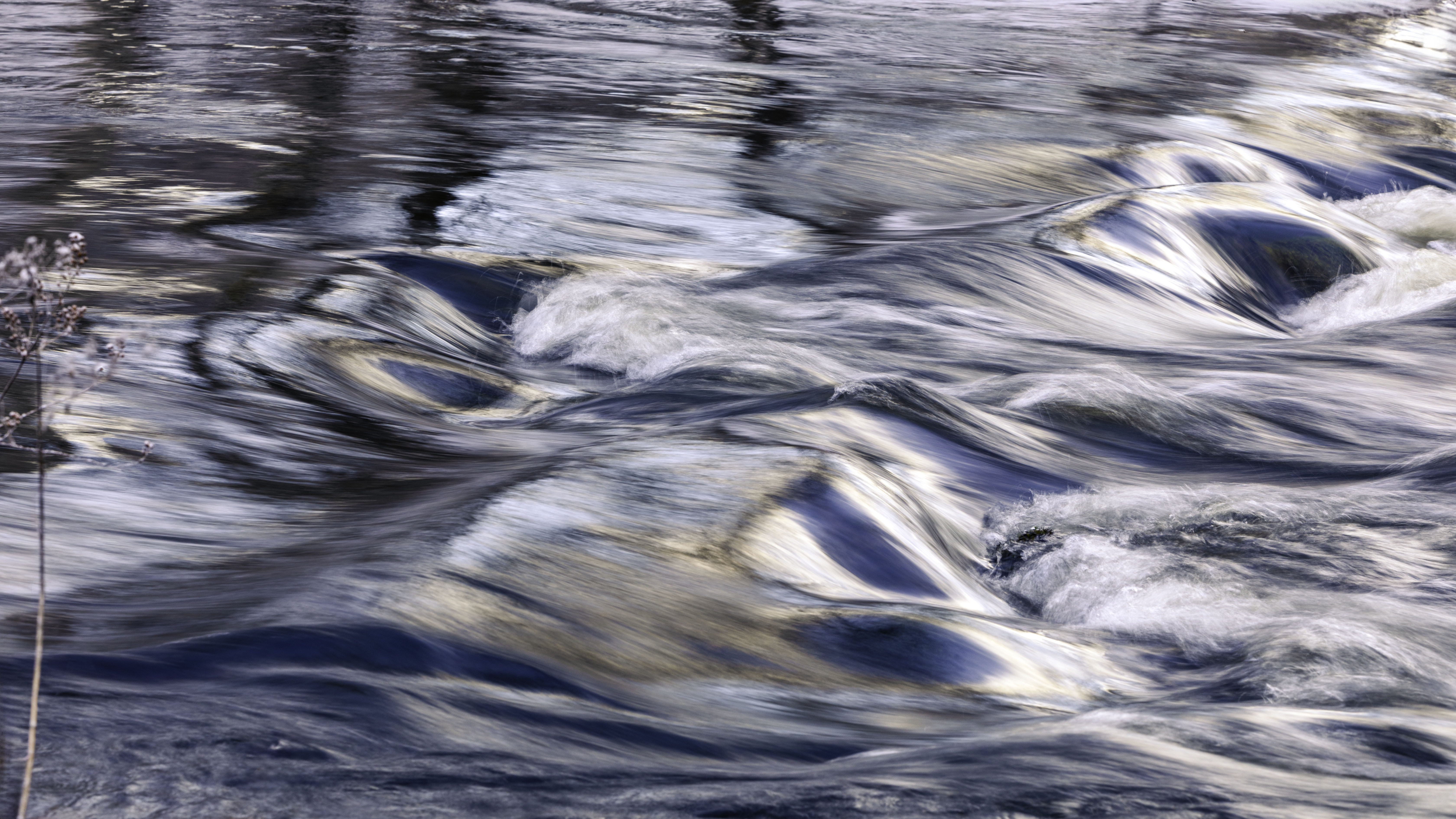

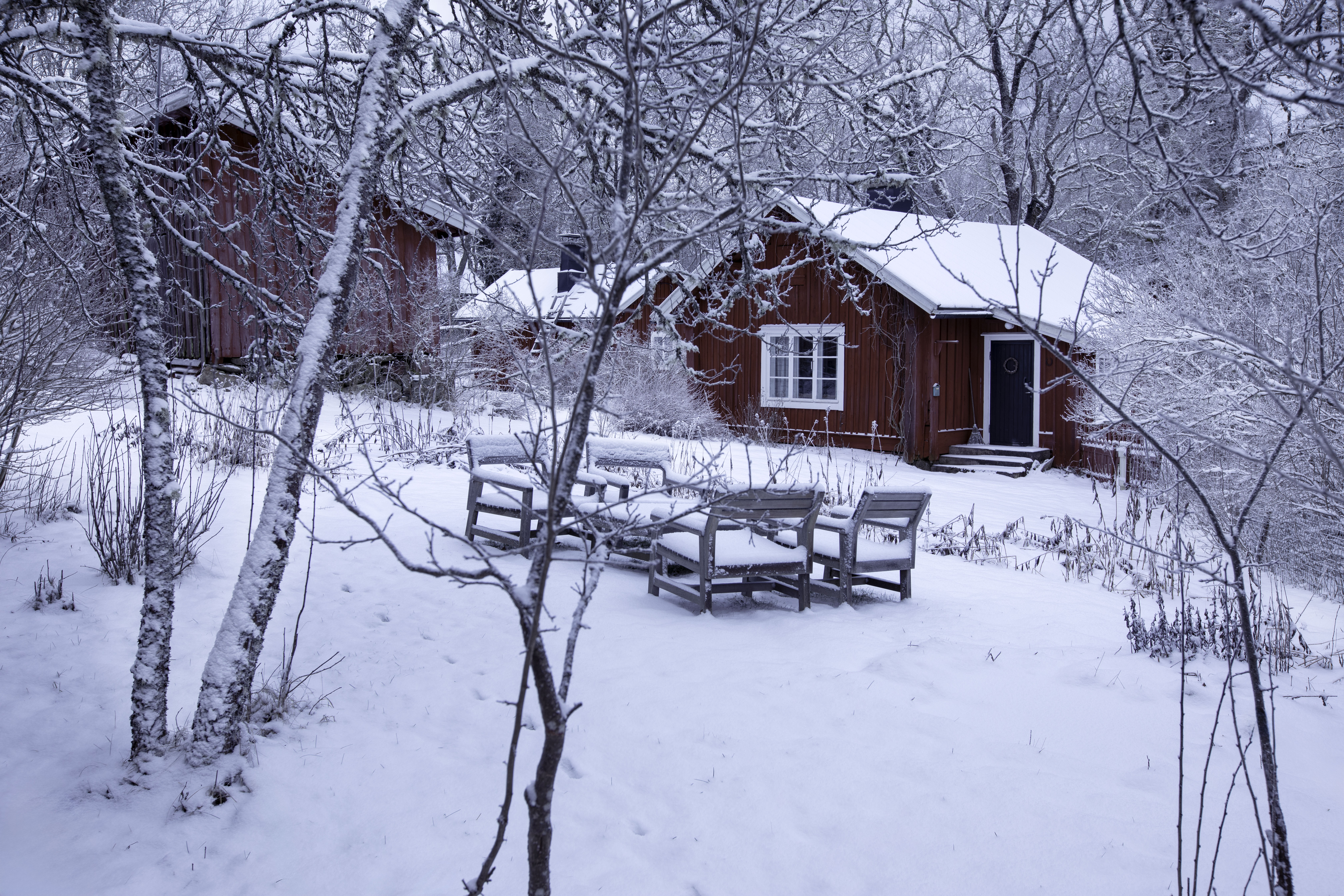

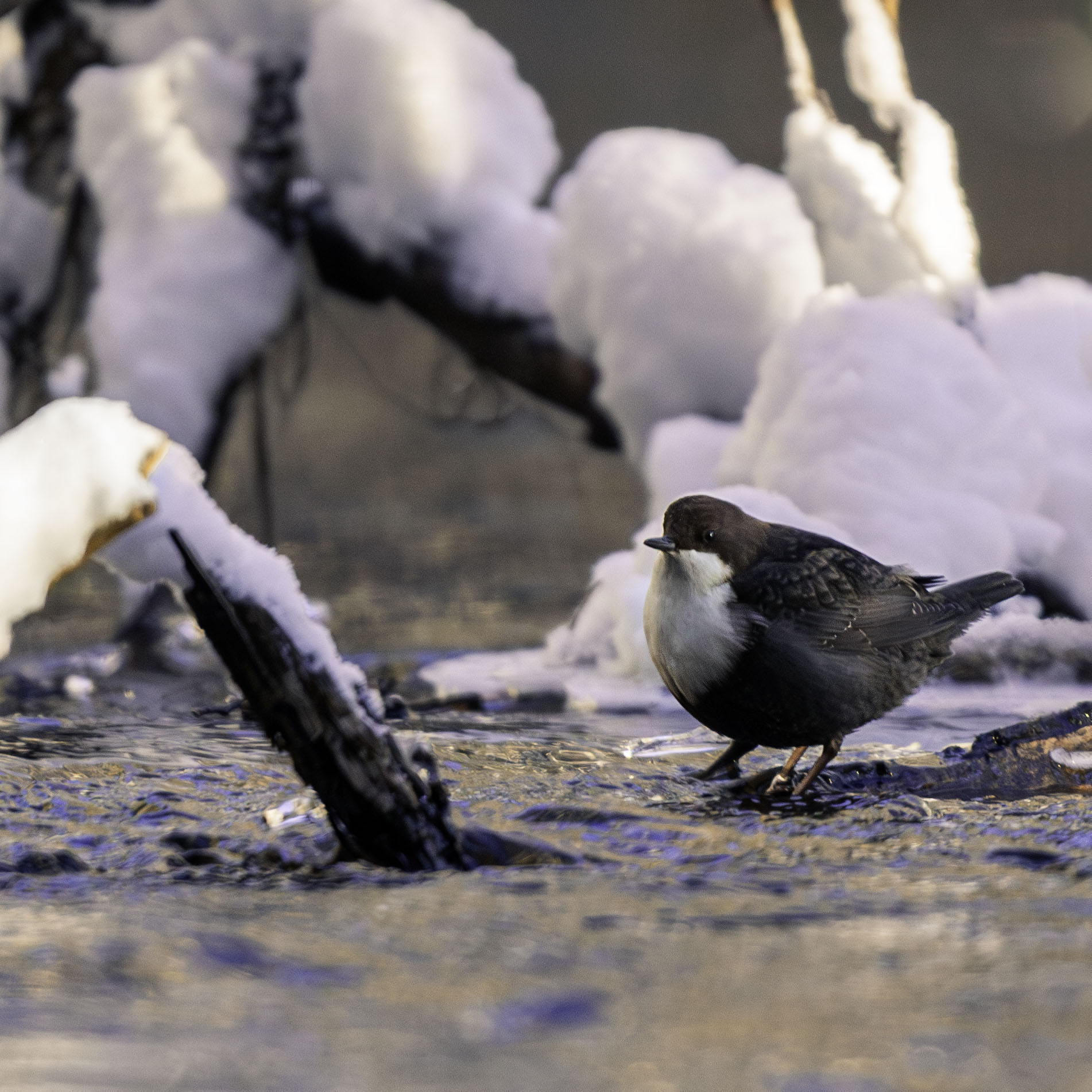
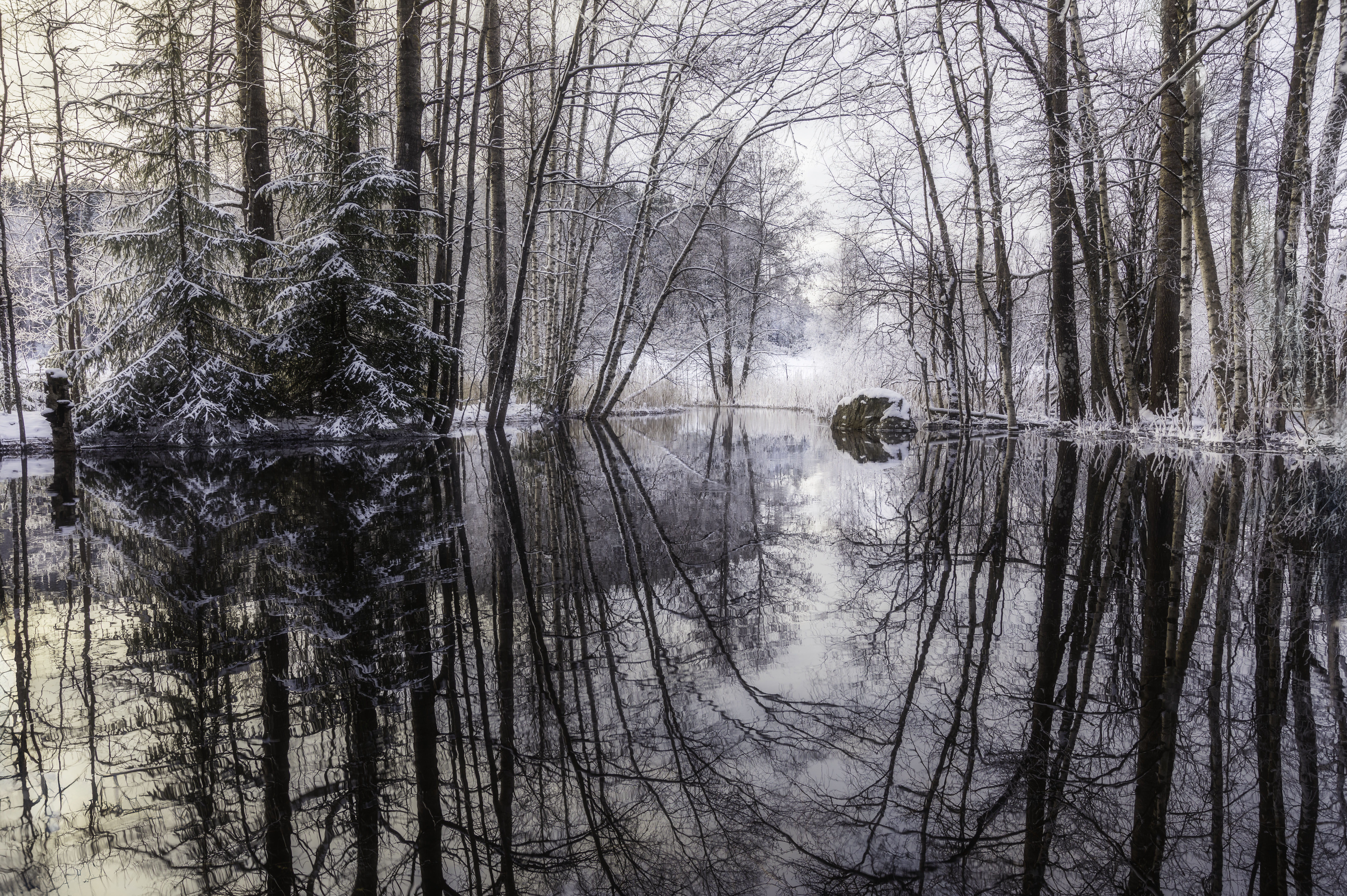
I enjoyed stunning winter days. I was surrounded by the beauty of this unique natural and historical site. I think I spent nearly 24 hours photographing by the river and its surroundings.
The river was carrying an exceptional amount of water, causing the rapids to surge powerfully. The churning water had frozen along the riverbanks, making it dangerous to walk near the edge at times. Nevertheless, the turbulent water had also created stunning ice sculptures, which were incredible to photograph. The only real challenge was the tripod freezing. On one occasion, the tripod became completely unusable, and I couldn’t even detach the camera from it.
This project taught me a lot. First, I realized how important it is for the theme to tie the images together. It was equally crucial to capture a variety of photos. This variety creates a sense of dynamism within the series. The series contrasts calm waters with stunning reflections against the powerful rapids or frozen water forms. Besides the water, the river’s historical surroundings and its living organisms played a key role in the project.
I plan to continue this project by photographing more of Kärkelä’s cultural landscape and everyday life along the river.
My gear
I photograph with a Canon 5D Mark IV. For these photos, I used the EF 16-35mm f/2.8L II USM, EF 70-200mm f/2.8L IS USM and EF 300mm f/2.8L IS USM lenses. I typically use a tripod, as it significantly improves the quality of my photos. For this project, a tripod was essential due to the low light conditions.
Nonetheless, I noticed that the tripod froze quite easily when it came into contact with snow or water. At times, it was impossible to adjust the height, as the legs had become frozen. Have you had this problem? How did you fix it?
Thank YOU!
Thank you for visiting my blog and exploring this project! I hope you enjoyed it.
I love to hear your thoughts on my photos! Did you have a favorite from the collection? How do you feel these images show the theme By the Kärkelä River? Your feedback means a lot to me and helps me grow as a photographer.
Feel free to follow my blog for more stories and photography projects—there’s a link at the bottom of the page.
Feel free to follow my blog for more stories and photography projects—there’s a link at the bottom of the page.
 MINNA JACOBSON